What if we could increase the productivity of farming and of the exploration of critical minerals by 40 times?
SpaceTime Labs builds deeptech ventures that seek to transform the global agriculture and mining industries with Artificial Intelligence & Robotics.
Brazil is the world’s best lab to transform these industries, before scaling globally.
Our Investment Theses
Hyper-productivity
40-fold increase in productivity across the agriculture, extractive, and manufacturing industries.
Deep Decarbonization
Achieving zero emissions and enabling carbon sequestration across agriculture, extractive, and manufacturing industries.
Computational Bioeconomy
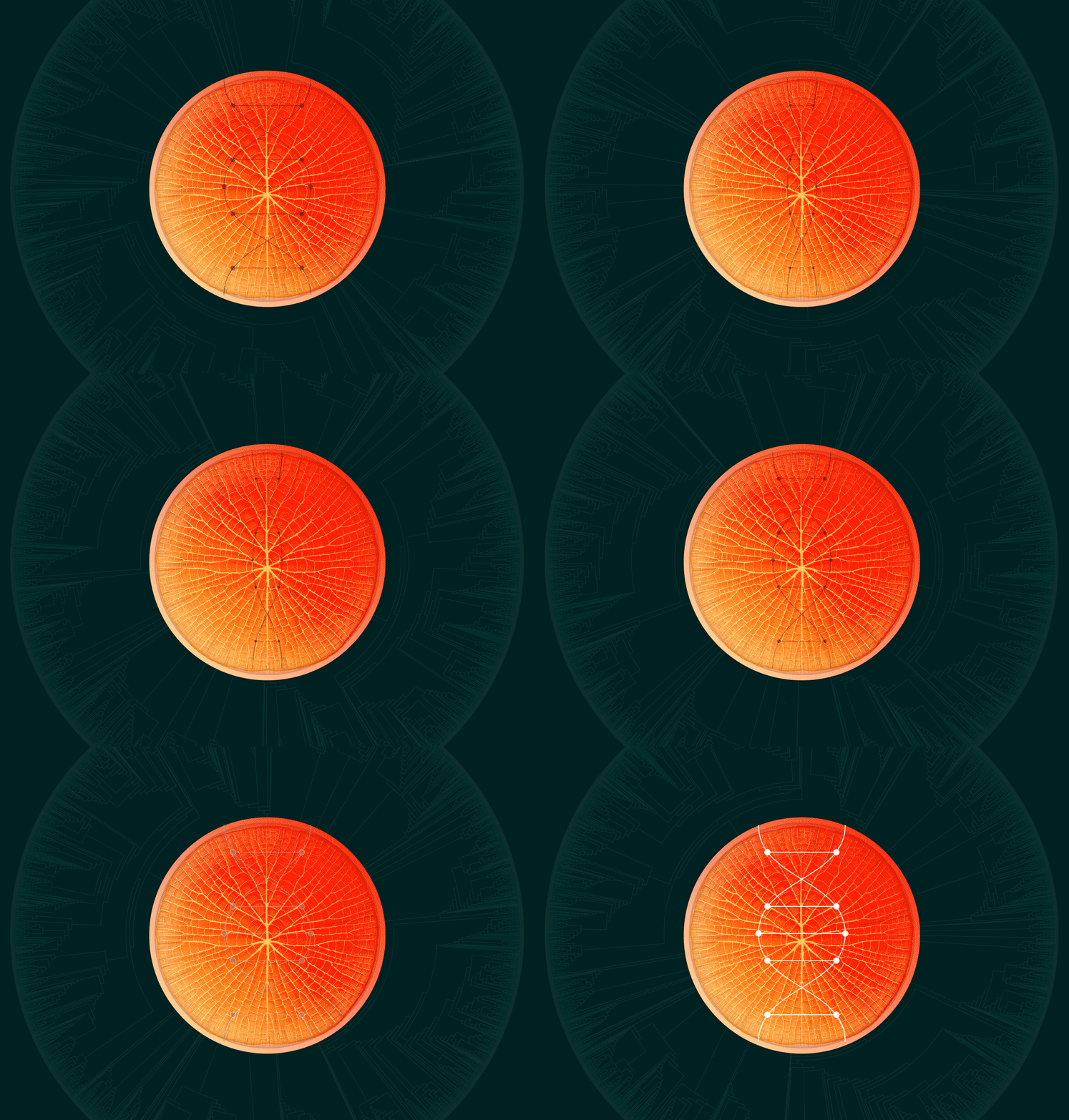
Transforming “physical industries” by scaling a computational bioeconomy that leverages the informational assets of Tropical biodiversity.
Climate Resilience
Operational resilience to climate extremes and transfer of climate risk to capital markets.
Over the past three years, we have successfully built three ventures:
-

Moray
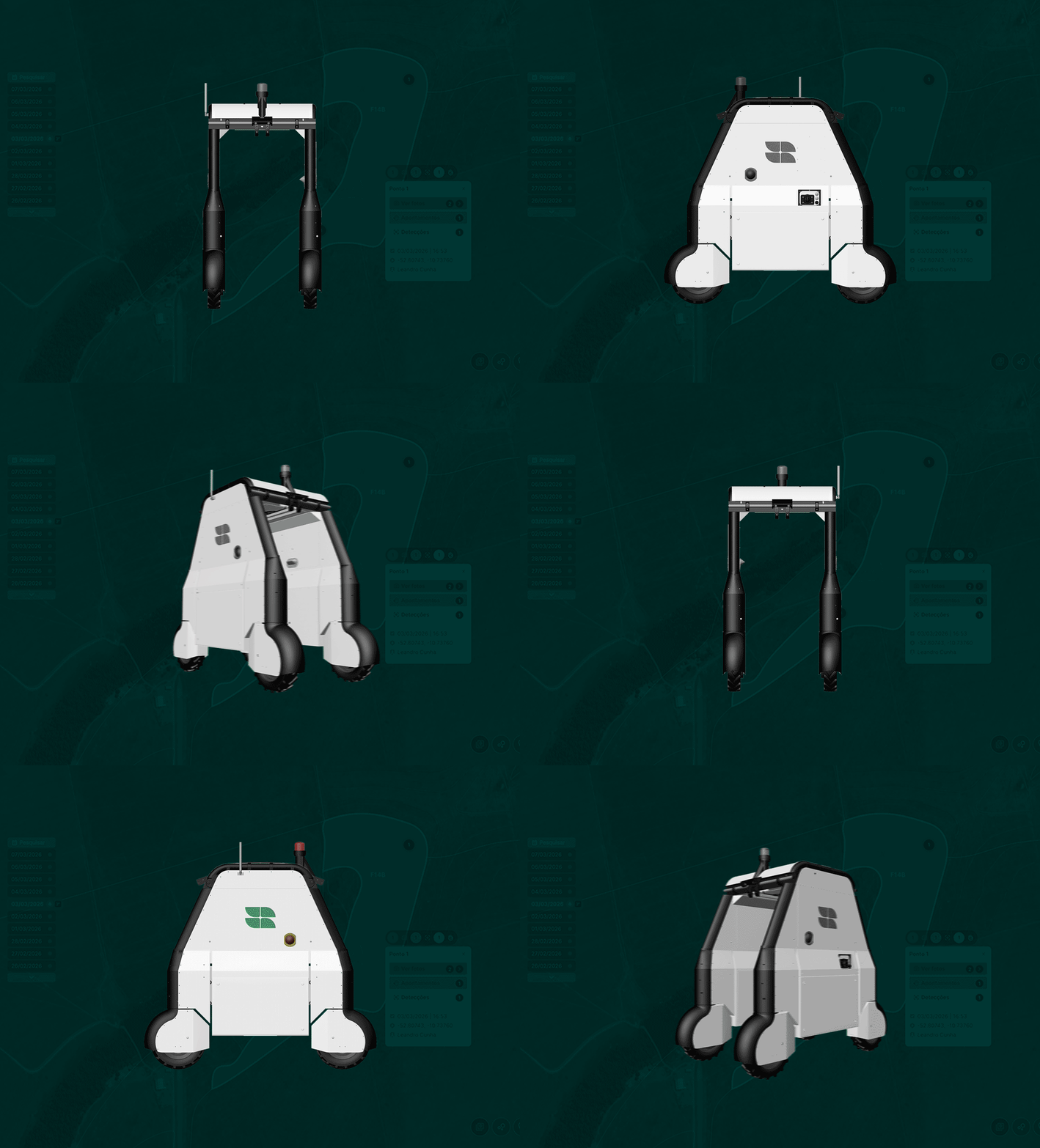
Digital twins to minimize the use of agricultural inputs and reduce productivity losses—from individual plants to entire farms.
-

Ubiratã
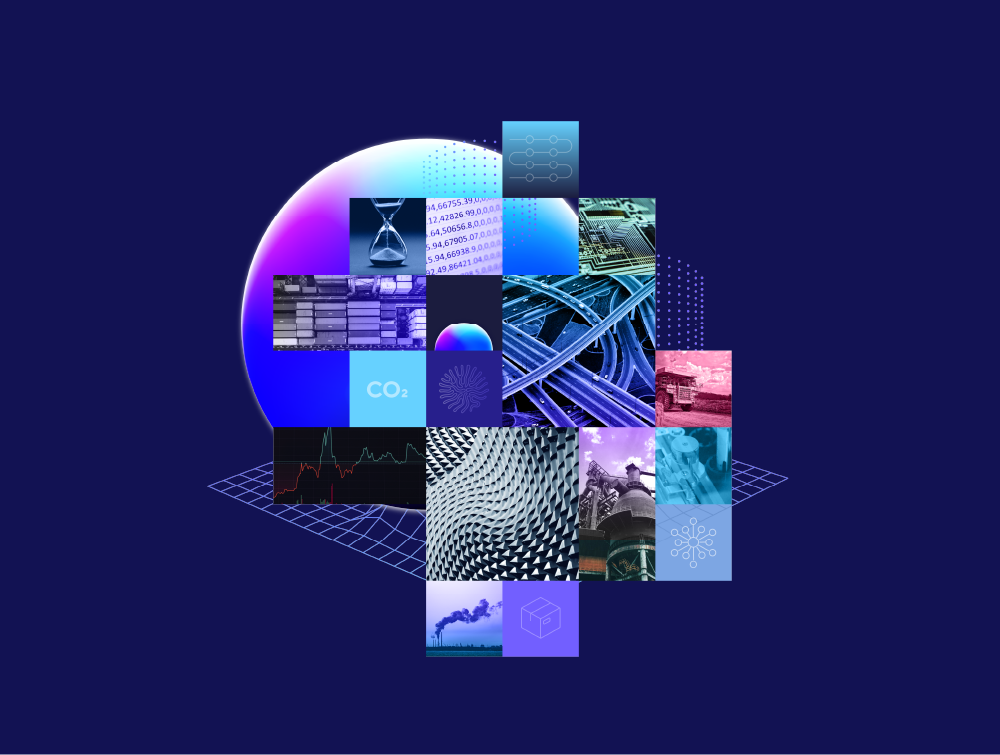
Digital twins for monitoring, optimization, and risk management in the steel, cement, and metal refining industries.
-

ItaDT
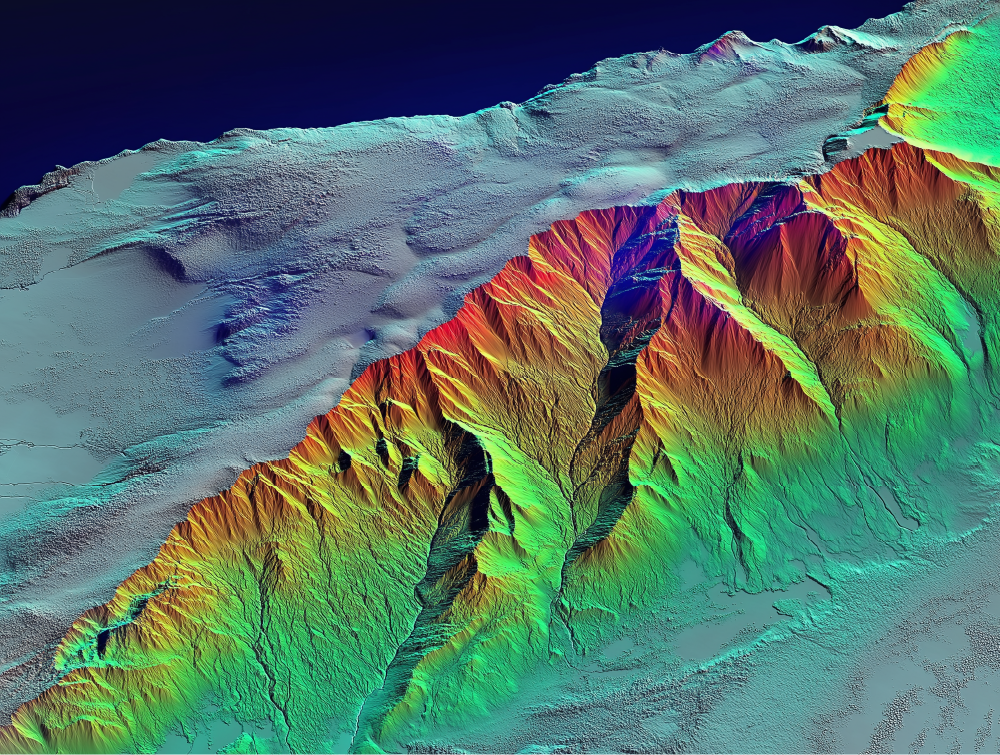
Digital Twins for Optimization of Critical Minerals Deposit Discovery & Exploration to close their Supply Gap to enable the Energy Transition worldwide
In this thought-provoking essay, Juan Carlos Castilla-Rubio argues that the next frontier of AI lies in Causal World Models—systems capable of reasoning about cause and effect, not just correlation. He explores why this shift may be essential for addressing some of humanity’s greatest challenges, from food security and climate adaptation to energy transition and scientific discovery.
The Earth BioGenome Project (EBP) aims to “sequence life for the future of life” by generating high-quality reference genome sequences for all recognized eukaryotic species, thereby building a rich knowledge base to inform conservation, inspire bioindustry, ensure food security, advance medicine, and establish a deeper understanding of biodiversity.
Temos uma boa fundação inicial no Cemaden, mas é urgentemente necessária uma revolução no gerenciamento de riscos climáticos em todos os setores da sociedade e da economia
Deep techs: como soluções baseadas em descobertas científicas criam novas fronteiras para os negócios
Como criar uma bioeconomia computacional inclusiva? A Amazônia encerra uma oportunidade de produção de riqueza que pode ser muitas vezes superior a tudo que o Brasil já teve
Esse episódio com o Juan Carlos Castilla-Rubio é inclassificável. Ele é membro do board do Forum Econômico Mundial, mas é muito mais. Juan é um sujeito com muitas nacionalidades. Peruano de nascimento, brasileiro por adoção, estudou e trabalhou na Inglaterra, na Franca e nos Estados Unidos. Seus domínios vão da matemática avançada à biologia sintética, passando pela engenharia de novos materiais, ciência do clima e espacial. Com esse repertório pelo qual navega (literalmente, ele também é navegador), Juan produz ciência básica e muita tecnologia aplicada a negócios concretos.
Our planet is a complex system, and its health is integral to ours. COVID-19 has shown us that in the face of imminent threat, radical action is possible. In the long term, climate change represents one of the biggest threats to the planet, but also the greatest business opportunity of the last 200 years. This year at CogX we will explore the approaches AI and other emerging technologies offer in the fight against climate change and environmental degradation. We will discuss the future of our cities, and the intersection of smart, sustainable and key advances in mobility.
The future of the Amazon and the future of us all
Researchers warn many of the region’s biological assets are at risk of being lost forever
How to map the DNA of all known plants and animal species on Earth
O documentário Agricultura do Futuro apresenta uma visão ampla, crítica e inspiradora sobre os caminhos da agricultura brasileira em meio aos grandes desafios globais do século 21.
Given its abundance and variety of natural resources – accounting for about 20 per cent of the world’s known species – Brazil has an extraordinary potential to become a world leader in the bioeconomy, creating a vibrant innovation environment, preserving the natural ecosystem and boosting local communities. What would the transition to the bioeconomy look like for the Amazon, and what new high-value products and services could be created using this model? How can technology -including AI, satellites, the cloud – be enablers of this transition? What is required in terms of policies, infrastructure and investment to make it happen?
Panel Discussion 2 in the NSF Predictive Intelligence for Pandemic Prevention (PIPP) - Pandemic Readiness for Emerging Pathogens (PREP) Workshop.
New strategic partnership between SpaceTime Labs and VanderSat wins highly competitive its joint innovation development efforts and go-international Eureka -Globalstars 2019 award to-market activities in Brazil and Latin America, from Brazil’s FINEP and the Netherlands’ RVO to before replicating and scaling globally. build a national electricity grid risk management platform powered by machine learning and globally unique earth observation data to better manage & transfer risks and predict prices for Brazil’s evolving energy markets.
In 2019, entrepreneur Juan Carlos Castilla-Rubio was developing a project he hoped could generate and share wealth from the natural resources of the Amazon without destroying those resources. His idea, called Earth Bank of Codes (EBC), would create a library of the genomic codes of all known species that could be tapped for discovery and innovation, from new medical interventions to more efficient manufacturing processes. He proposed to use blockchain technology to make the data both accessible and trackable so that its use could be monitored. Castilla-Rubio envisioned a time when a company in the U.S. could access a biological asset from the Peruvian Amazon, develop and commercialize a product based on the asset, and have a fraction of the resulting sales land directly in the bank account of various beneficiaries, including the Peruvian government and indigenous communities. Now he was facing major decisions about how to structure EBC to achieve his goals. Should he start at the top and build partnerships with national governments and inter-governmental organizations as the cornerstone of EBC? Or would it be better to forge ahead with a few stakeholders in an entrepreneurial project?
What do ants have to do with self-driving cars? How might the giant monkey frog of the Amazon help to solve the problem of antimicrobial resistance? Juan Carlos Castilla-Rubio, Founder and Chairman of SpaceTime Ventures, explains why the Amazon basin holds the key to unlocking a bio-economic revolution potentially worth trillions of dollars – and explores the three challenges that must be overcome.
The stress on the earth’s natural systems caused by human activity has considerably worsened in the 25 years since the 1992 Rio Earth Summit in Brazil. As a result of the “great acceleration”1 in human economic activity since the mid-20th century, research from many earth system scientists’ suggests that life on land could be entering a period of unprecedented environmental systems change.
The World Economic Forum announced today an ambitious partnership to sequence the DNA of all life on Earth and create an inclusive bio-economy, as part of its Fourth Industrial Revolution for the Earth Initiative.