

Turning Industrial Complexity into Operational Intelligence
Ubiratã combines a causal understanding, advanced sensing, artificial intelligence, and robotics to help material-intensive industries monitor, optimize, and manage increasingly complex operations.
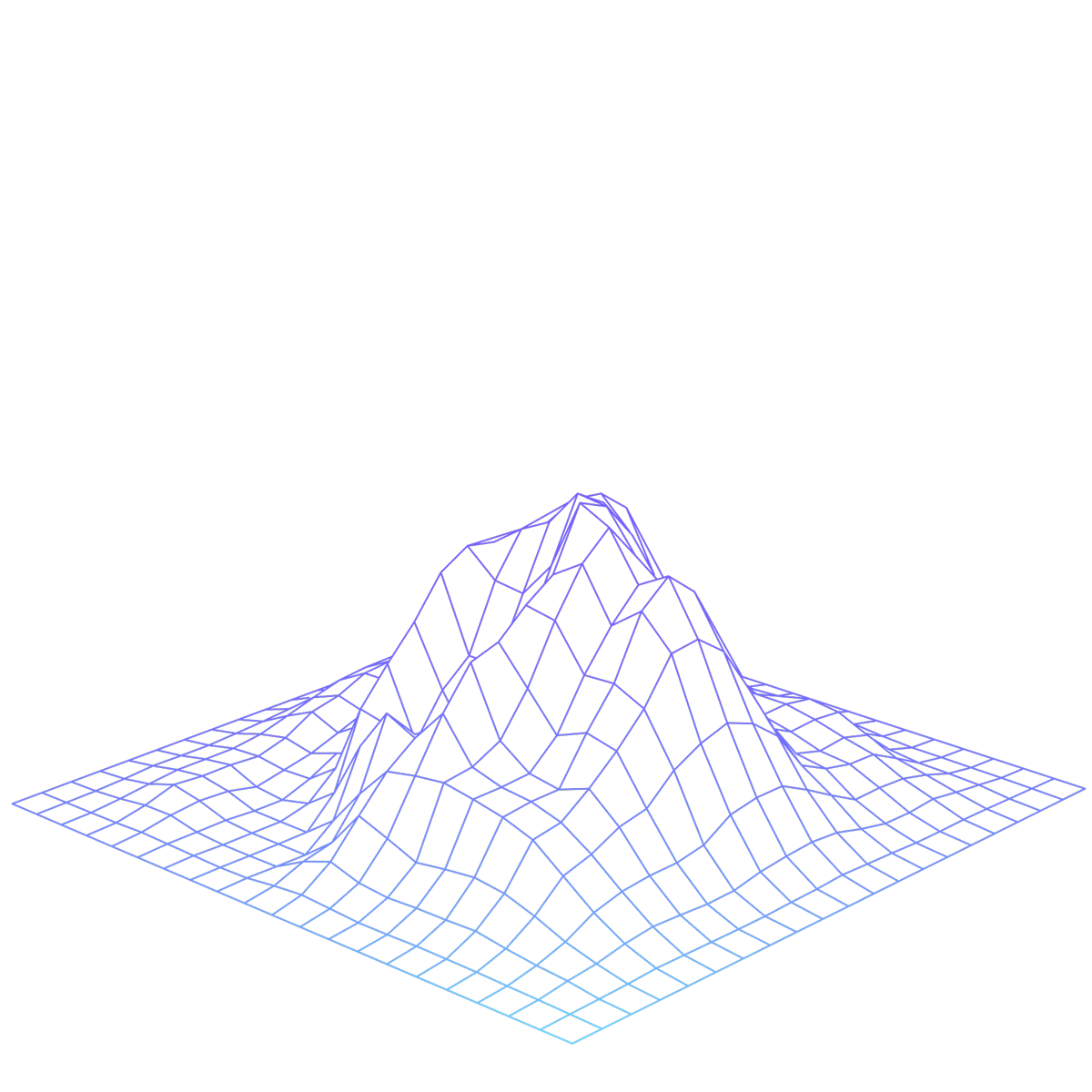



THE CHALLENGE
Material systems are becoming increasingly interconnected
Steel, cement, mining, and metal refining depend on complex processing of materials and energy flows through multiple local and global supply chains.
As these interdependencies grow—and operational conditions become more volatile—optimizing individual processes is no longer enough. Decisions in one part of the system can create consequences across the entire operation and its supply chain.
What Needs to Change
From fragmented operations to system-wide understanding
Industrial data and decision-making are often distributed across disconnected processes, assets, and organizational silos.
Managing complex material systems requires a unified view of how resources, operations, constraints, and risks interact—from individual assets to entire production and supply chain networks.
The opportunity is to turn this complexity into coordinated, system-wide intelligence.
Our Approach
Digital Twins for Material Systems
Ubiratã builds digital twins that integrate operational, material, energy, and supply chain data into dynamic models of industrial systems.
By combining real-time monitoring, artificial intelligence, and optimization, Ubiratã helps planners and operators understand current conditions, explore alternative scenarios, and identify better decisions across the system.
Our Platforms
-
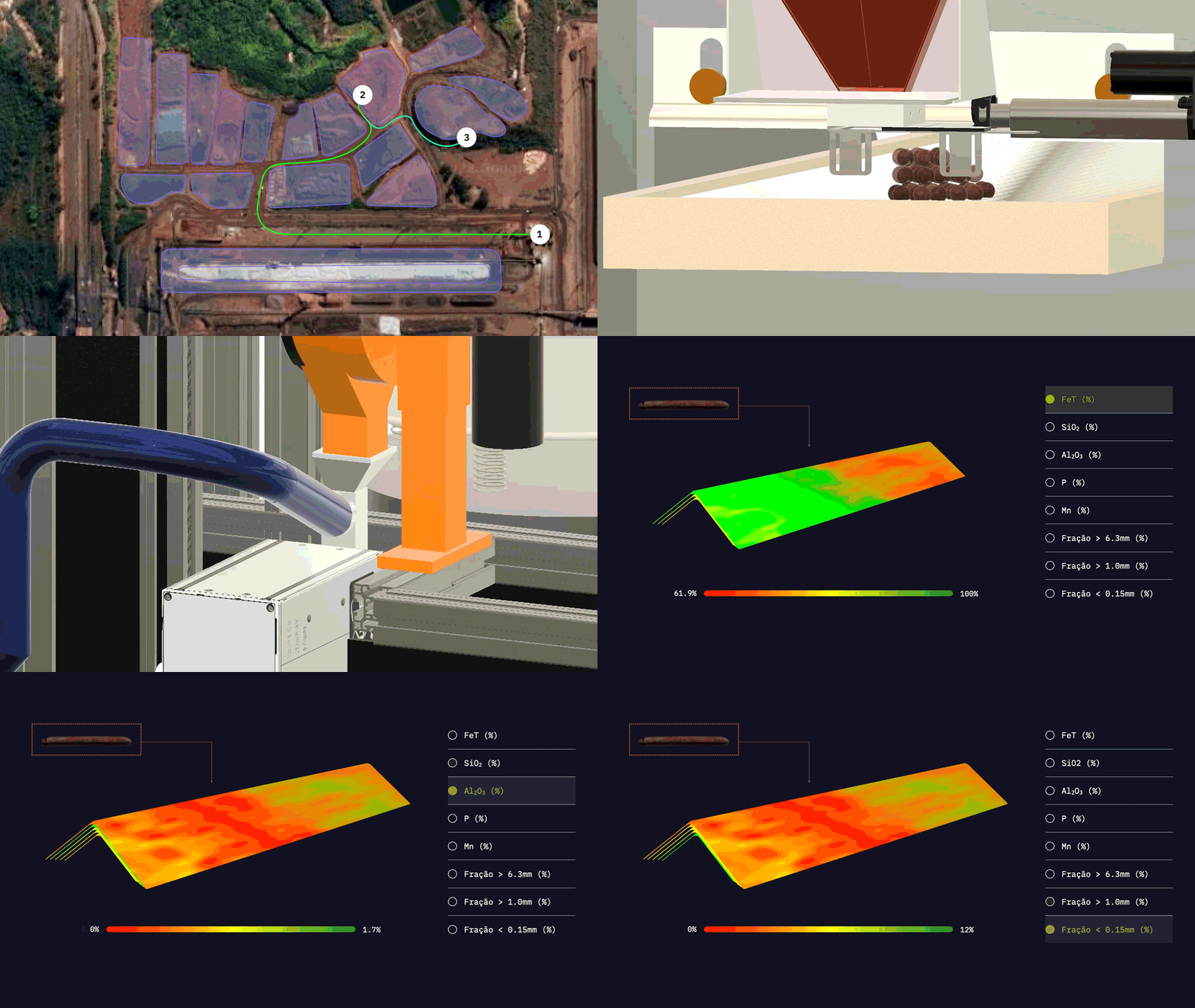
Real-Time Monitoring
From fragmented data to a shared operational view.
Integrates sensing and operational data across assets, processes, and material flows to create a dynamic, real-time view of industrial systems.
By connecting previously siloed information, the platform helps teams understand current conditions, detect anomalies, and explore how changes may affect operations.
-
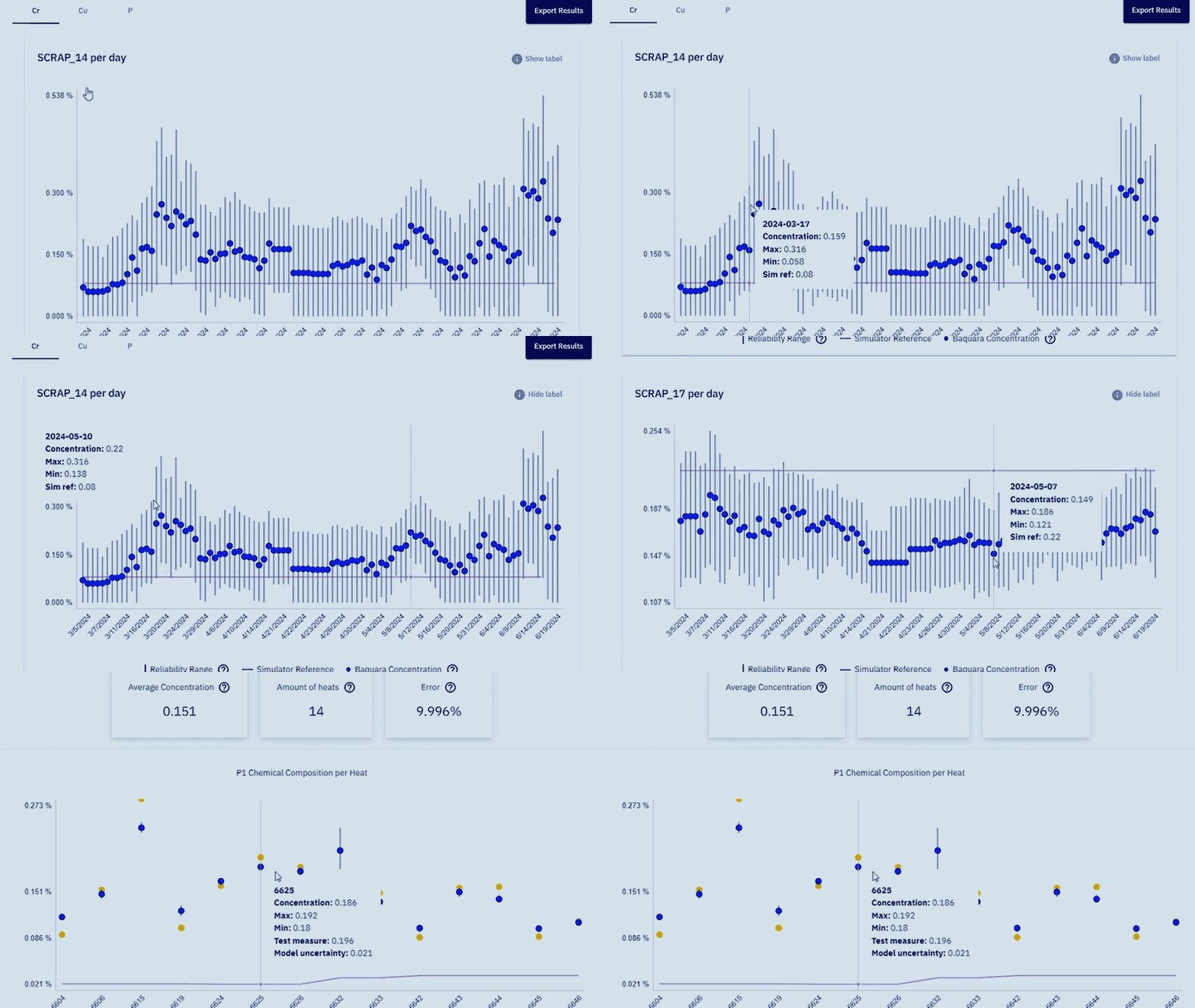
End-to-End Optimization
Optimizing the system, not just individual processes.
Connects energy and material supply chains with production and related infrastructure, into an integrated model of the operation.
The platform enables teams to explore alternative scenarios and identify better operating plans across interconnected processes—improving productivity, resource efficiency, operational resilience, and overall system performance.
-
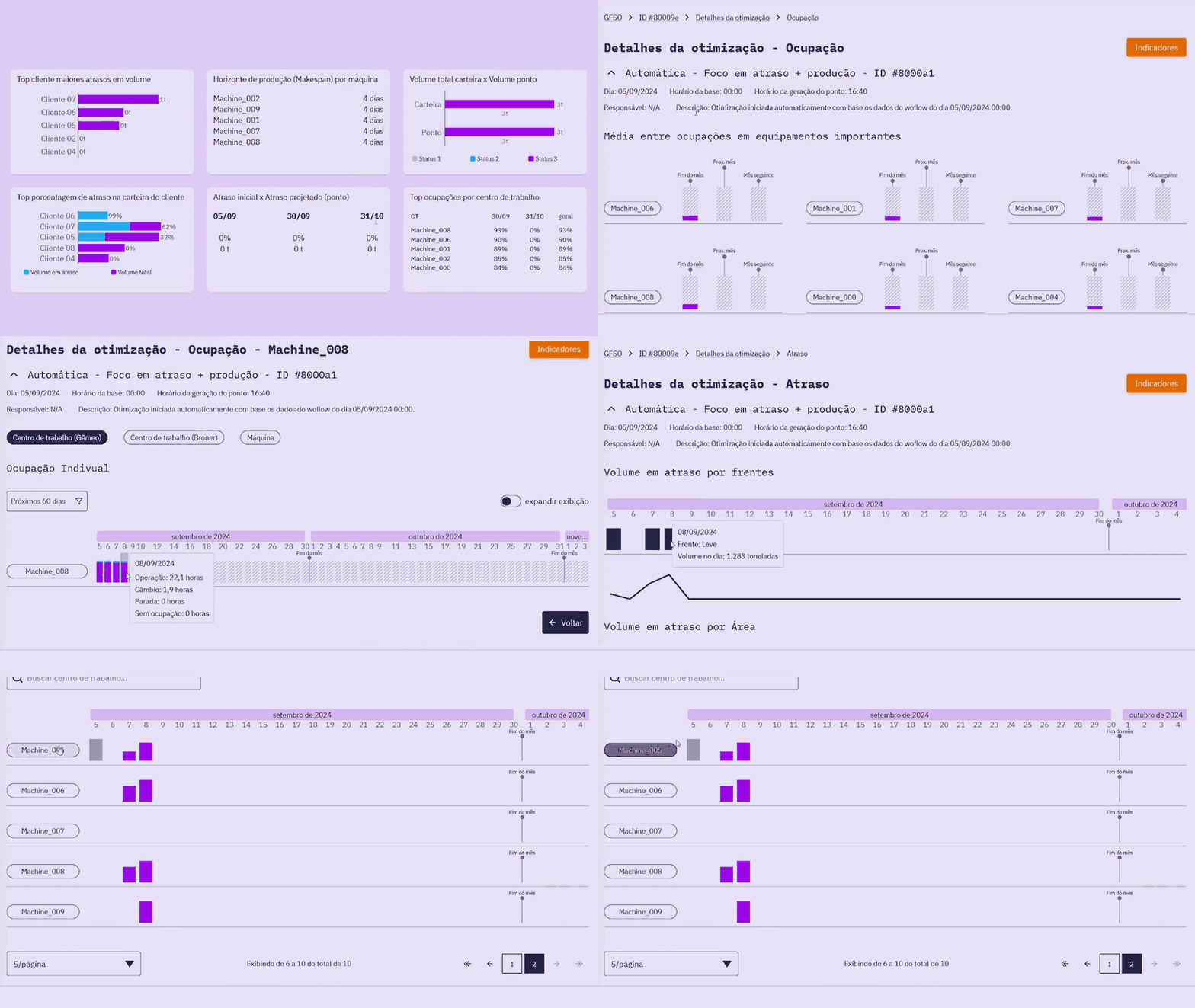
Supply Chain Risk Management
Anticipating disruption across interconnected supply chains.
Combines operational, supply chain, and external risk signals to identify vulnerabilities and detect emerging disruptions before they propagate across the system.
The platform helps organizations understand dependencies, anticipate potential impacts, and build more resilient material supply chains.
HOW IT WORKS
From Individual Processes to System-wide Optimization
Industrial performance depends on interactions that extend far beyond individual machines or processes.
Energy consumption affects production economics. Material quality constraints can limit operations and reduce financial performance. Supply chain disruptions propagate into plants. Operational decisions influence emissions and resource efficiency.
Ubiratã connects these interdependencies into a shared operational model—allowing industries to move from fragmented optimization toward coordinated, end-to-end decision-making.
Monitor
Integrate sensing and operational data to create a real-time view of assets, processes, and material flows.
Simulate
Explore “what-if” scenarios to understand how changes and disruptions may propagate across the system.
Optimize
Identify better operating plans by optimizing energy, materials, production, and logistics across interconnected processes.
Anticipate
Detect anomalies and emerging risks to improve operational resilience across plants and supply chains.
The Impact
More productive, resilient, and efficient material industries
Ubiratã helps industrial operators:
Increase productivity
Optimize energy, materials, production, and logistics across the system.
Reduce resource intensity
Identify opportunities to use energy and materials more efficiently.
Build resilience
Anticipate disruptions and manage operational and supply chain risks.
Accelerate decarbonization
Support the analysis and optimization of pathways toward lower-emission industrial operations.
Building Intelligence for the Material Industries

As industrial systems become more interconnected, performance depends increasingly on understanding the relationships between assets, resources, operations, and external risks.
Ubiratã builds the intelligence layer needed to monitor these systems as a whole, explore possible futures, and continuously optimize how materials and energy flow through them.