
Turning Climate Uncertainty into Actionable Risk Intelligence
Ripples combines Earth system science, satellite observations, artificial intelligence, and causal models of complex systems to help the Physical Industries anticipate, manage, and transfer climate risk.






THE CHALLENGE
Climate extremes are creating a new risk normal
Increasing weather volatility is disrupting the natural resource systems that underpin agriculture, energy, water, and materials.
Small shifts in average climate conditions can lead to dramatic changes in the frequency and severity of extremes—creating operational and financial risks across interconnected systems.
What Needs to Change
From fragmented risk signals to systemic understanding
Climate risk rarely affects a single asset in isolation. Weather hazards interact with natural resources, physical assets, infrastructure, supply chains, and markets—transmitting risk directly and indirectly across complex systems.
Understanding how these impacts propagate is essential to anticipating disruption and building resilience.
Our Approach
Digital Twins for Climate Risk
Ripples builds digital twins that combine earth system science, satellite observations, artificial intelligence and a causal understanding of complex systems to model the relationships between hazards, exposure, vulnerability, and their operational and financial consequences.
By connecting physical climate dynamics with real-world assets and their supply chains, Ripples transforms complex risk signals into actionable intelligence.
Our Platforms
-
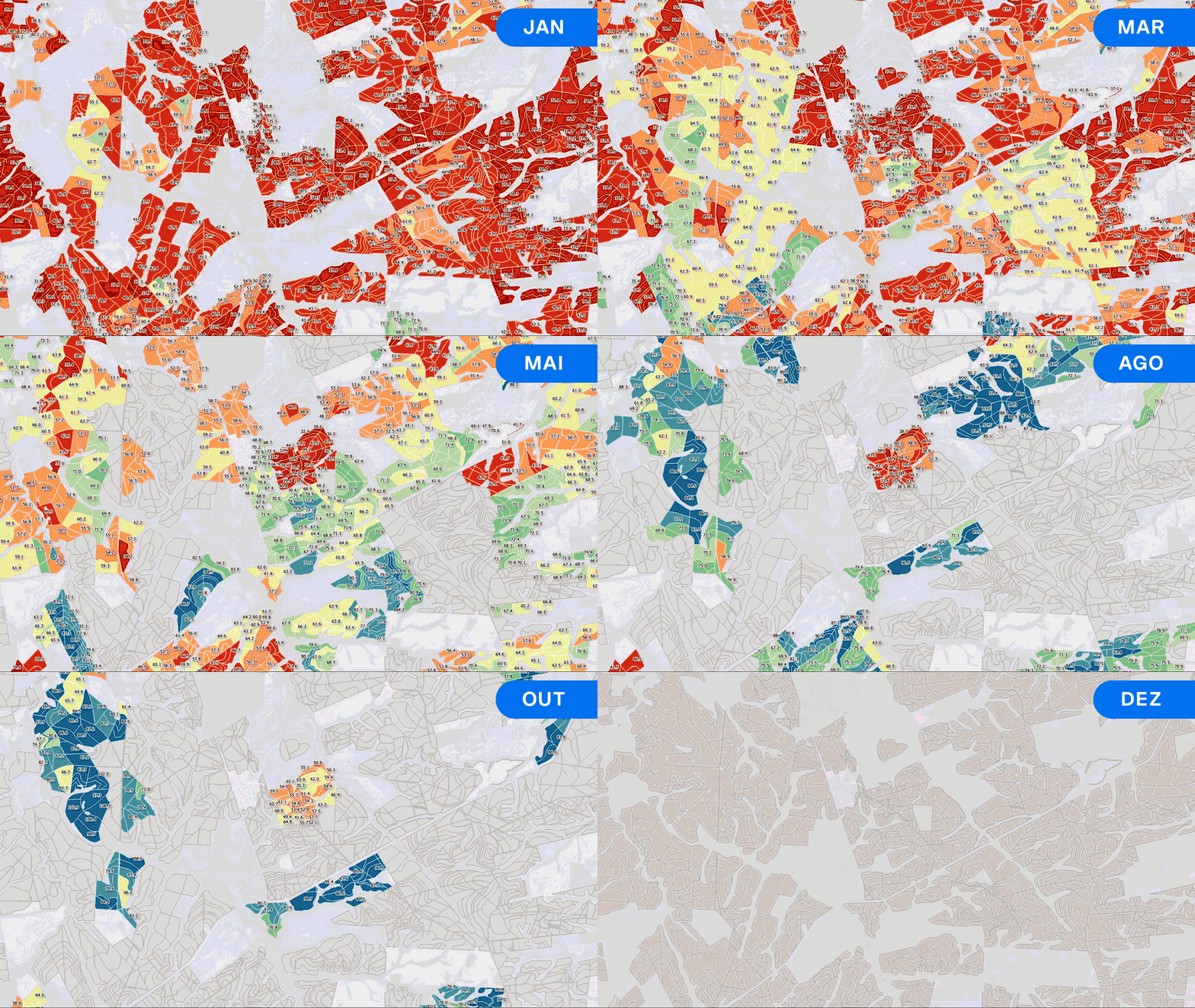
Farm Risk
Operational Risk Management
Anticipate climate-related threats at the farm level by connecting weather hazards with crop, soil, and operational conditions—supporting better planning, preparedness, and response.Index Insurance
Translate farm-level climate and Earth observation data into transparent risk indicators that support the design and operation of index-based insurance solutions. -
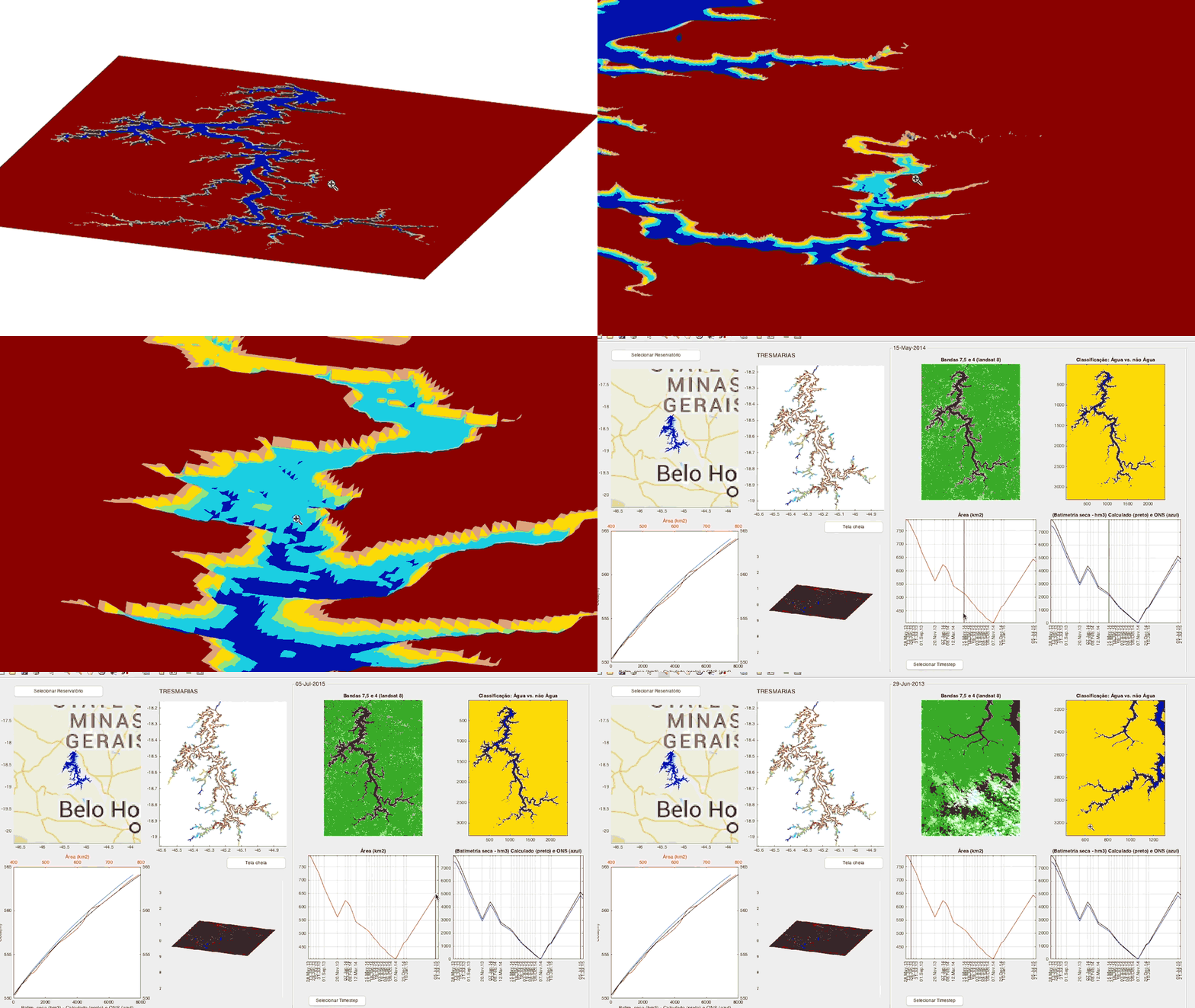
Water & Energy Risk
Operational Risk & Risk Transfer
Understand how climate and hydrological variability affect water and energy supply chains—connecting physical risk with operational exposure and mechanisms for financial risk transfer. -
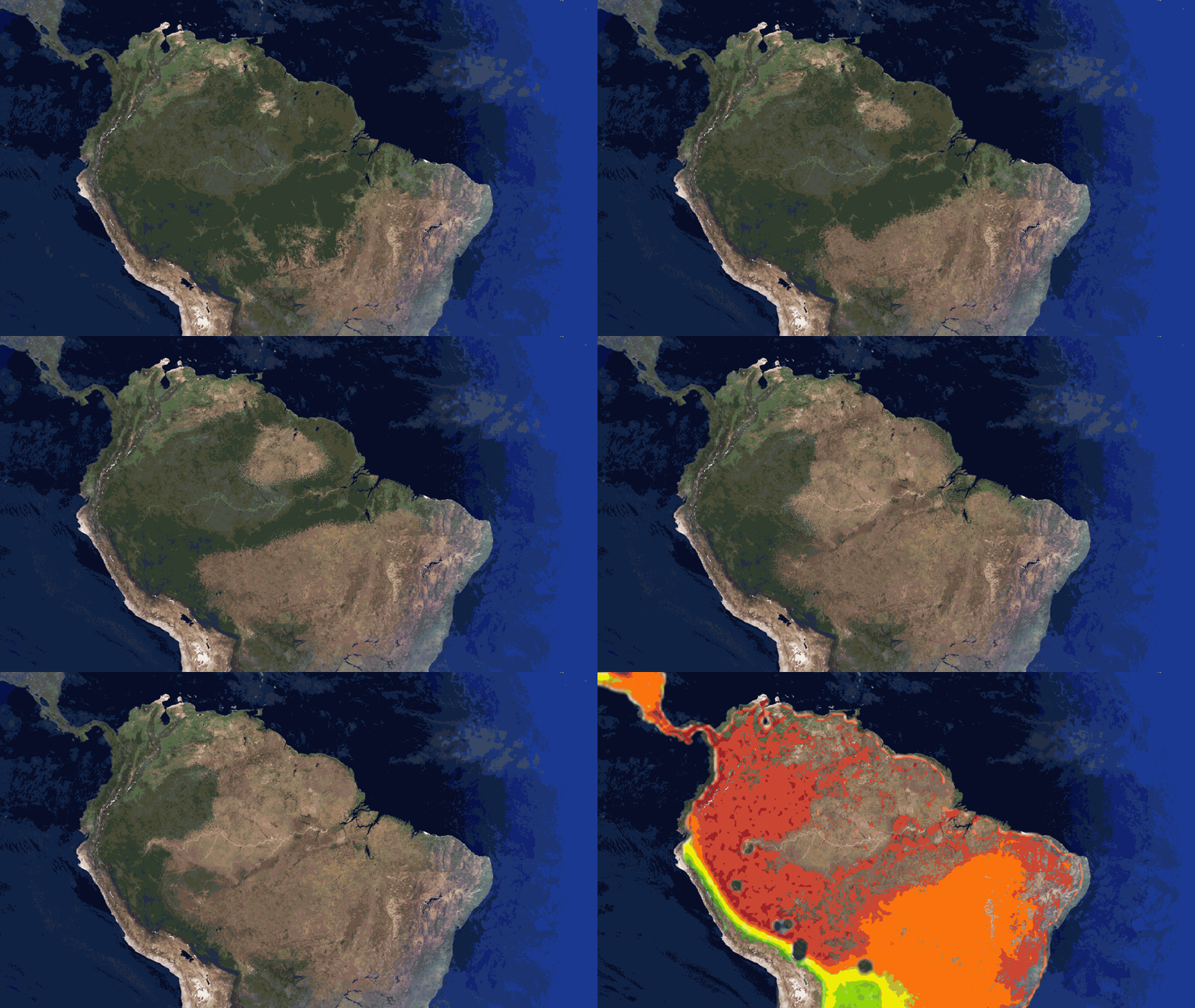
Ecosystem Risk
Risk Transfer for “Too Large to Fail” Ecosystems
Model systemic climate risk across critical natural ecosystems to support new mechanisms for protecting and transferring risks whose consequences extend far beyond individual assets or organizations.
HOW IT WORKS
Sense
Combine Earth observation, weather, climate, asset, and operational data to understand changing conditions.
Anticipate
Identify emerging anomalies and model climate hazards across space and time.
Assess
Quantify exposure and vulnerability to understand potential operational and financial impacts.
Transfer
Translate risk intelligence into insurance, hedging, and other mechanisms for climate risk transfer.
From Physical Risk to Financial Risk
Climate extremes do not stop at the physical asset. Droughts can constrain agricultural production and energy generation. Floods can disrupt infrastructure, logistics, and supply chains. These impacts propagate through interconnected natural resource systems and ultimately into markets.
Ripples connects physical climate intelligence with operational and financial exposure—making climate risk more visible, measurable, and actionable.

The Impact
From reacting to climate events to anticipating risk
Ripples helps natural resource industries build resilience by enabling them to:
Anticipate disruption
Identify emerging climate risks before they become operational crises.
Reduce vulnerability
Improve preparedness and adaptation across assets and supply chains.
Make better decisions
Turn complex climate information into actionable operational intelligence.
Transfer risk
Design insurance and financial instruments better aligned with real-world climate exposure
Building Resilience in a New Risk Normal

As climate volatility increases, resilience depends on understanding how risk propagates through interconnected natural, industrial, and financial systems.
Ripples builds the intelligence needed to anticipate these dynamics—and turn climate uncertainty into better decisions, stronger resilience, and more effective risk transfer.